
Blackmail Laws by State: Is Blackmail a Felony Where You Live?

Blackmail is a felony in all 50 states and under federal law. Penalties range from 1.5 years in Arizona to 20 years in Michigan. Federal prosecution applies when blackmail crosses state lines or uses interstate communication.
State-specific laws determine penalties, statute of limitations, and professional license consequences. Attorneys must be licensed in the jurisdiction where charges are filed. Understanding YOUR state's laws protects your career and legal rights.
Is Blackmail a Felony? Federal and State Answer
Blackmail is classified as a felony offense in every U.S. state, with criminal penalties including imprisonment, substantial fines, and permanent criminal records.
Federal Blackmail Law
18 U.S.C. § 873 defines federal blackmail as demanding money in exchange for not reporting a U.S. law violation. This specific statute carries up to one year of federal prison.
Most federal prosecutions use felony statutes with harsher penalties.
18 U.S.C. § 875 (Interstate Communications): Threats via email, text, or phone across state lines. Up to 20 years of federal prison.
Hobbs Act (18 U.S.C. § 1951): Extortion affecting interstate commerce. Up to 20 years in prison, $250,000 fines.
Wire Fraud (18 U.S.C. § 1343): Electronic communication for extortion. Up to 20 years of federal prison.
Federal agencies investigating blackmail include the FBI, the U.S. Postal Inspection Service, the Secret Service, and the Homeland Security.
When Federal vs. State Prosecution
Federal jurisdiction triggers when:
Blackmail crosses state lines
Interstate wire communication is used
U.S. mail involved
Federal official targeted
Affects interstate commerce
State jurisdiction applies when:
All parties in the same state
In-state communication only
No federal nexus exists
Understanding what to do if someone blackmails you requires knowing which jurisdiction applies to your situation.
State-by-State Blackmail Classifications
State laws classify blackmail under extortion, theft by coercion, or criminal threats statutes with penalties varying significantly by jurisdiction.
Texas Blackmail Laws
Texas Penal Code § 31.03 classifies blackmail as "theft by extortion."
Penalties depend on the property value demanded:
Class B Misdemeanor: Under $750 (180 days jail, $2,000 fine)
State Jail Felony: $750-$2,500 (180 days-2 years)
Third-Degree Felony: $2,500-$30,000 (2-10 years prison)
Second-Degree Felony: $30,000-$150,000 (2-20 years prison)
First-Degree Felony: Over $200,000 (5-99 years in prison)
Texas also criminalizes sexual coercion under S.B. 2238. Professionals facing escort blackmail situations in Texas need attorneys licensed in Texas criminal law.
California Blackmail Laws
California Penal Code § 518-527 defines extortion as using threats to compel payment or services.
Classification: Felony offense
Penalties:
2, 3, or 4 years in county jail
Fines up to $10,000
Felony probation alternative
Immigration consequences
California prosecutes attempts even if the victim refuses. Threats alone constitute criminal conduct. Cases frequently involve adult massage parlor blackmail targeting professionals with reputation concerns.
Florida Blackmail Laws
Florida Statute § 836.05 classifies blackmail as a second-degree felony.
Penalties:
Up to 15 years in prison
Up to 15 years probation
Fines up to $10,000
Florida statute includes:
Threatening to accuse someone of a crime
Exposing secrets damages reputation
Electronic communication threats
Sextortion cases using intimate images fall under Florida's extortion statute. Understanding how long sextortion lasts helps assess legal urgency.
Comprehensive 50-State Penalties Table
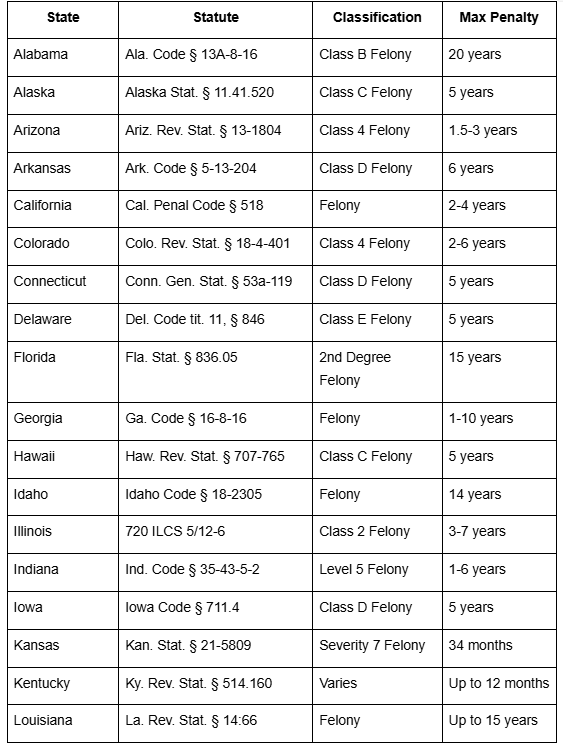
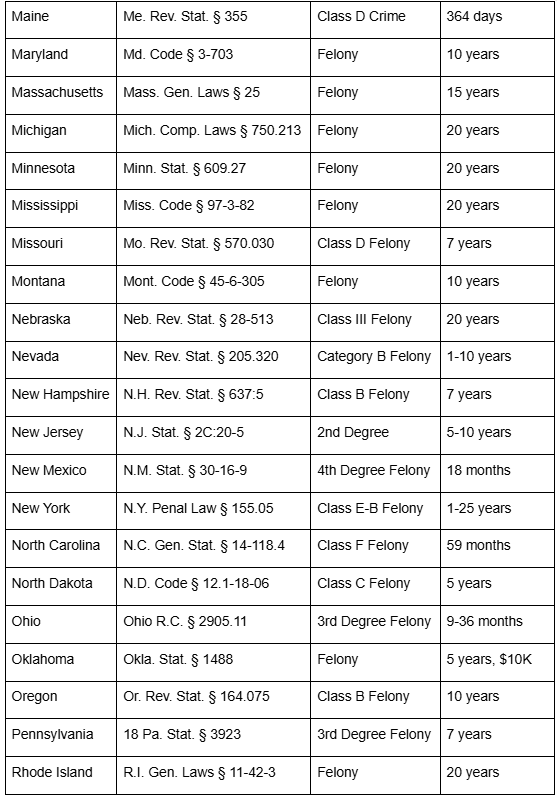
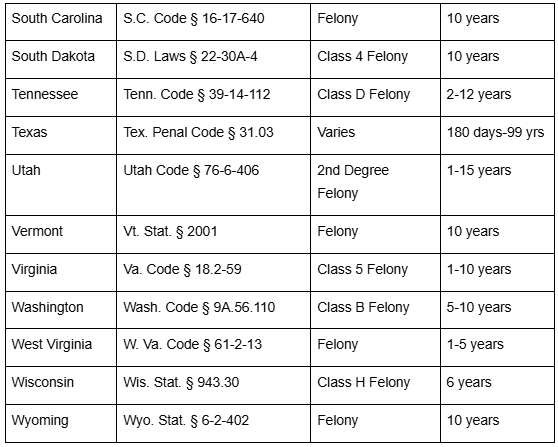
Why Your State's Laws Matter for Attorney Selection
Attorneys must be licensed in the state where charges are filed. Multi-state cases require coordination between attorneys in each affected jurisdiction.
State-Specific Defense Strategies
Evidence Requirements Vary: Some states require victim compliance for completed charges. Others prosecute attempts when victims refuse.
Statute of Limitations Differ: Texas allows 3-10 years depending on felony level. California permits 3-4 years. Federal crimes allow 5 years.
Professional License Consequences: State licensing boards impose different penalties for felony convictions. Texas automatically suspends professional licenses. California conducts discretionary reviews.
The Anti-Extortion Protocol provides state-specific legal representation protecting professional careers while addressing criminal charges confidentially.
Multi-State Cases Require Coordination
Victim in California, Perpetrator in Florida: Attorneys in both states coordinate evidence and protective orders.
Federal + State Charges: Dual prosecution possible. Requires an attorney admitted to federal court plus the state bar.
Professional Licenses in Multiple States: All licensing boards may review a felony conviction. Coordinated response prevents cascading consequences.
Understanding how to collect evidence for online blackmail safely protects legal cases across jurisdictions.
Blackmail carries severe felony penalties in every U.S. state and under federal law. Professionals facing blackmail charges or being blackmailed need immediate legal protection, understanding their specific state's laws.
The Anti-Extortion Law Firm provides confidential attorney representation across state and federal jurisdictions. We understand how YOUR state's specific laws affect your case, career, and professional licenses.
(440) 581-2075 | Ohio Bar #101457 | 1818 Euclid Ave, Cleveland, OH 44115
Frequently Asked Questions
Q: Is blackmail a felony or misdemeanor?
Blackmail is classified as a felony in all 50 states. Federal law treats specific blackmail (18 U.S.C. § 873) as a misdemeanor, but most federal cases use felony statutes carrying up to 20 years in prison.
Q: Can you go to jail for blackmailing someone?
Yes. State penalties range from 1.5 years (Arizona) to 20 years (Michigan, Mississippi, Rhode Island). Federal sentences reach 20 years under the Hobbs Act or interstate communications statutes.
Q: Is blackmail a federal crime?
Blackmail becomes a federal crime when threats cross state lines, use interstate wire communication, involve U.S. mail, target federal officials, or affect interstate commerce. Understanding what happens if you ignore a sextortionist helps determine when federal jurisdiction applies.
